




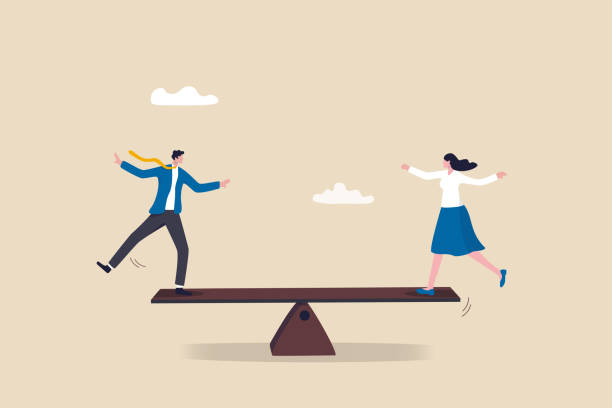
Every product company eventually runs into the same tension. Users want an experience that feels effortless and intuitive. The business wants growth, retention, and revenue. A great product designer is the person who can hold both of these truths at once and design something that satisfies each without quietly sacrificing the other. For founders and product leaders, learning how to hire product designer who can do this well is one of the highest leverage decisions in the early life of a startup.
Why This Balance Is Harder Than It Sounds
It is easy to find designers who are excellent at one side of this equation. Some designers are deeply empathetic toward users, obsessed with usability testing, accessibility, and delight, but they struggle to connect their design decisions to metrics that matter to the business. Others are highly commercial, comfortable talking about conversion rates and funnels, but their interfaces end up feeling transactional and cold, optimized for a quarter rather than for a relationship with the customer.
Startups cannot afford either extreme. A product that delights users but does not move the business forward will not survive long enough to matter. A product that hits short-term business goals while frustrating users will bleed customers the moment a better alternative shows up. This is exactly why the process to hire product designer should be treated as a strategic hire, not a purely creative one.
Start With the Right Definition of the Role
Before writing a job description, founders should get clear on what they actually need. A product designer is not simply someone who makes interfaces look polished. The role sits at the intersection of user research, interaction design, visual design, and business strategy. When a startup decides to hire product designer, it should be looking for someone who can translate a business goal, such as improving activation or reducing churn, into a design decision that also respects how real users think and behave.
This means the job description itself matters more than founders often realize. Instead of listing generic requirements like “proficiency in Figma” or “strong portfolio,” it helps to describe the actual problems the designer will be solving, such as simplifying an onboarding flow that is losing users, or redesigning a pricing page that needs to convert better without becoming pushy. Candidates who are genuinely strong at balancing user and business needs will recognize themselves in a job description written this way, while candidates who only care about aesthetics will self-select out.
What to Look for During the Hiring Process
When founders sit down to hire product designer, the interview process should go beyond reviewing a portfolio of pretty screens. A strong evaluation asks candidates to walk through their reasoning, not just their outcomes. Ask about a project where user research pointed in one direction and business pressure pointed in another, and how they resolved that conflict. The answer reveals far more about their judgment than any visual case study ever could.
It also helps to include a practical exercise as part of the process. Give the candidate a real or realistic business problem, such as a drop in signups on a mobile app, and ask them to sketch out how they would approach it. Watch whether they immediately jump to visual solutions or whether they first ask about the business context, the target user, and what success actually looks like. Designers who ask sharp questions before proposing a solution tend to be the ones who can hold both user and business priorities in mind simultaneously.
Founders should also pay close attention to how a candidate talks about data. The best product designers are comfortable with both qualitative insights from user interviews and quantitative signals from analytics dashboards. They do not treat data as something that overrides design intuition, nor do they dismiss it in favor of pure creative instinct. They use it as one more input into a well-rounded decision.
Culture Fit Matters More Than It Seems
A product designer who is technically excellent but cannot collaborate well with engineering, marketing, and leadership will struggle to have real impact inside a startup. Because product design touches nearly every function of a growing company, the person a founder chooses to hire product designer for this role needs to be comfortable defending decisions in a room full of stakeholders who each care about different outcomes. Engineering cares about feasibility, marketing cares about messaging and conversion, and leadership cares about the broader roadmap. A designer who can synthesize all of these perspectives into one coherent product experience is worth far more than one who simply produces beautiful mockups in isolation.
This is also where reference checks become genuinely useful rather than a box-ticking exercise. Ask former colleagues and managers not just whether the designer’s work looked good, but whether their decisions actually moved business metrics, and whether users responded well to what they built. A designer with strong opinions who also knows when to compromise is usually the one who thrives inside a fast-moving startup environment.
Where Startups Often Go Wrong
Many early-stage founders make the mistake of hiring their first product designer purely based on visual portfolio strength, assuming that strategic thinking can be taught later or picked up along the way. This often backfires, because a designer without strong product instincts will need constant direction from the founder or product manager, which defeats the purpose of hiring a dedicated designer in the first place. Founders looking to hire product designer for a growth-stage or early-stage startup are usually better served by prioritizing product thinking and business awareness over sheer visual polish, since visual skills are far easier to develop through mentorship and practice than product judgment is.
Some companies find it valuable to work with specialized hiring platforms or communities that vet designers specifically for this blend of user empathy and business fluency, which can meaningfully shorten the search and reduce the risk of a costly mismatch.
Bringing It All Together
Hiring a product designer who genuinely balances user needs and business goals is not about finding someone who compromises on either side. It is about finding someone who sees no real conflict between the two, because they understand that the best user experiences are the ones that also drive sustainable business outcomes, and the best business outcomes come from products people genuinely want to use. Founders who take the time to hire product designers with this mindset set their startups up for products that do not just look good in a portfolio, but actually grow the business while keeping users happy for the long run.


